Oceans in Danger: Awareness and responsibility to care for our common home.
International Commission on Ecology
June 1, 2026
Oceans in danger: awareness and responsibility to care for our common home.
The oceans are fundamental to life on the planet.They regulate the climate, produce much of the oxygen we breathe, and are a source of food and employment for millions of people.Latin American countries like Chile, Peru, and Brazil depend heavily on the sea for fishing, tourism, and their economies. Furthermore, according to information released by the UN, the oceans cover more than 70% of the Earth's surface, making the protection of this ecosystem essential for environmental balance and human
PLEASE NOTE… since 2008, the UN has designated June 8 as “World Oceans Day
However, today the oceans face serious threats caused mainly by human activity.
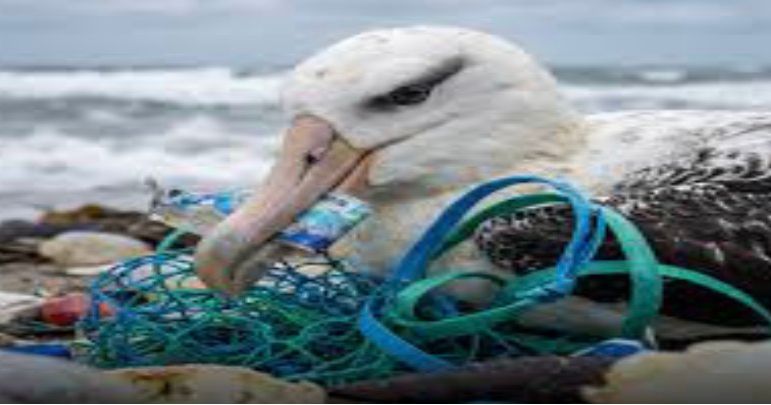
One of the most visible problems is plastic pollution.Bags, bottles, and other waste reach the sea daily, where fish, birds, marine mammals, and other marine life mistake them for food.Many species die or are harmed by industrial pollution and oil spills, which destroy entire ecosystems and directly affect marine biodiversity.Another major problem is overfishing.The excessive capture of fish, both by large industries and through the irresponsible practices of some fishermen, leads to a decline in marine species and disrupts the balance of the oceans.Several international studies warn that a large portion of the world's fish populations are being exploited to the limit, a situation that jeopardizes marine and aquaculture production.This also affects the food security of many coastal communities.
Furthermore, the oceans face challenges caused by global warming, especially visible in Chile and Argentina.The planet's rising temperature is melting glaciers and polar ice, raising sea levels and affecting marine ecosystems and freshwater reserves.Southern Chile has numerous islands and wetlands that store large quantities of water and help regulate the climate.These territories play an essential role for the communities and species that depend on them, but today they are threatened by overexploitation, pollution, and climate change.
Given this reality, caring for the planet must be understood as everyone's responsibility.Governments can create stricter laws to reduce plastic use, promote clean energy, and protect marine areas.Individuals can also help through small, everyday actions, such as recycling, not littering on beaches or in rivers, conserving water, and consuming seafood obtained through sustainable fishing practices.
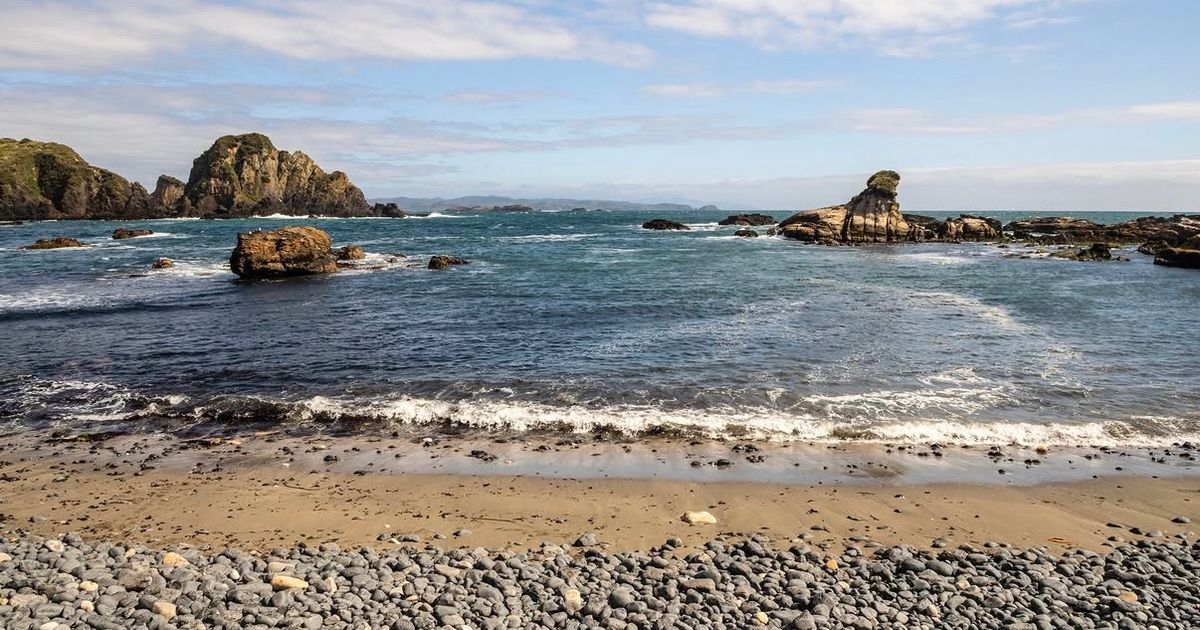
The Chonos. Chiloé.
Fishing companies also play a vital role.It is essential to respect fishing bans, prevent illegal fishing, and use methods that do not harm marine ecosystems.Some scientific research even indicates that certain industrial activities can affect the health of protected marine species, demonstrating the need to strengthen environmental regulations and biodiversity conservation.
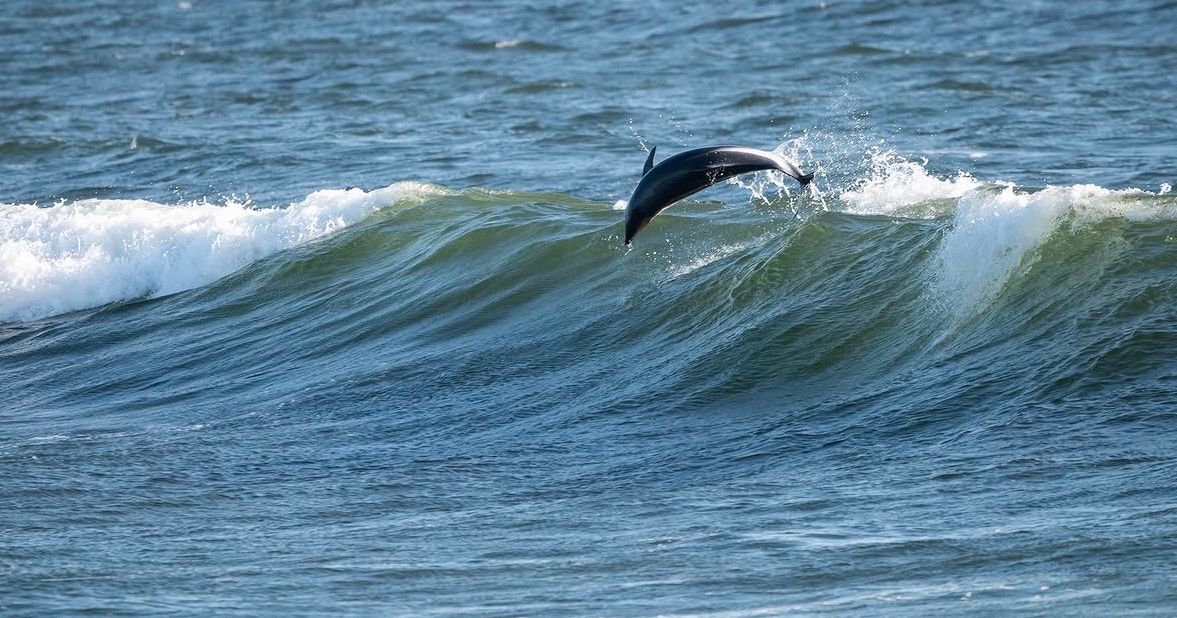
Peale's dolphins in the Polucué sector, Ancud
Environmental education is key to raising awareness from childhood.When children and young people learn to respect nature, they are more likely to become responsible adults committed to caring for their communities.Protecting the oceans and addressing climate change is protecting our “common home,” because human well